

10 Reasons Why You Should Exercise and Practise Yoga Outdoors
I want to mention that many of my favourite yoga classes and functional fitness training sessions were hosted outdoors in parks, beachside and in the woods in uncrowded areas. If you didn’t know, I first became inspired to teach yoga after practising outdoors at sunrise and sunset on the beautiful cliffsides of Melides, just steps away from the Pacific coastlines of Portugal. There is a magical connection with nature when we match our breath, energy, and intention with the environments around us. If you have been missing your favourite gym, recreation centre, or personal trainer, you can adjust your workout and activities to take place outdoors.
In light of recent events and being cooped up indoors for the past 3 months in quarantine, here are some reasons as to why you should consider working out and practising yoga outdoors in nature can improve your physical and psychological well-being during this time.

Doing yoga on the green rooftop at 401 richmond IN TORONTO, ON.
I want to mention that many of my favourite yoga classes and functional fitness training sessions were hosted outdoors in parks, beachside and in the woods in uncrowded areas. If you didn’t know, I first became inspired to teach yoga after practising outdoors at sunrise and sunset on the beautiful cliffsides of Melides, just steps away from the Pacific coastlines of Portugal. There is a magical connection with nature when we match our breath, energy, and intention with the environments around us. If you have been missing your favourite gym, recreation centre, or personal trainer, you can adjust your workout and activities to take place outdoors.
Here are 10 simple reasons why you should get started!

1) It Energizes You in the Morning.
When you practise with the sunrise, you move with the natural circadian rhythm of your body. After you wake up, your body’s metabolism kicks in and your bodily processes like your adrenal glands start shifting. Birds, insects, and the general energy of parks and greenspaces are generally quieter in the mornings as well, allowing you to gradually become more stimulated with the sunlight and animation of life waking up around you.

2) You Become More Mindful of the Subtle Shifts of Energy Around You
From the rustle of the tree leaves to the echo of birdsong, you begin to take in the natural rhythms and melodies that make up the background soundtrack outdoors. At the gym or during our busy commutes, we distract ourselves or tune out of our physical surroundings with our headphones, listening to podcasts, loud music, or broadcasted news channels.
If you choose to meditate outdoors, you will start to notice how synchronized your body and breath become to the nuances of the wind and sunshine as they pick up on your body. Water and the lapping waves over the horizon are a great focus aid to assist in settling down in a seated meditation practice.

3) It reduces headaches, stress, and feelings of depression.
The colour green, found in nature is known to enhance the alpha brainwaves, which allow you to feel more calm and at ease with yourself. It also boosts your creativity and your resilience to stress. Getting enough Vitamin D from the sun can also boost your immune system, reduce depression, and create a ‘feel good’ sensation in the body.
By closing your eyes and using deep, expansive breaths in through the nose, you can relieve symptoms of headaches and stress as the hormone, oxytocin is released, lowering your blood pressure and feeling more connected with those around you.

4) It Challenges Your Balance and Proprioception.
Try working out barefoot in the grass or sand. Notice how the platform beneath your feet sinks in different directions when you stand only on one leg or weight-bear unevenly. While we have been blessed with supportive running shoes and flat surfaces at our commercial gyms and fitness studios, when you challenge yourself to all sorts of uneven surfaces outdoors such as grass, hills, sand, mud, and gravel, your body begins to utilize the smaller, stabilizer muscles that aren’t usually put to work when we feel firmly secure on the ground.

5) Falling Also Feels More Fun and Liberating
To add to point #4 about challenging your balance and proprioception, when you lose your balance, it often feels fearful to fall on mysterious surfaces that your body is not used to lying on for long periods of time. Outdoor surfaces such as fine sand, grass, and even mud have cooling and exfoliating properties that a paved floor or cushy mat inside your gym could not provide. There is something about the diverse textures of these outdoors surfaces that make it more fun to land on, if you do happen to fall and roll over from a particular pose or exercise.

6) You Lose Sense of Time Passing
Ever feel as though you are constantly checking your watch or the clock on the wall when you’re in a sterile environment such as the gym? Unless you have a very intuitive sense of the sun passing each hour in the sky, you are less likely to feel tied to the sense of time passing while working out outdoors. When the sun is out and the weather is pleasant, time seems to pass by very quickly, as the body’s expectations also begin to slow down. This sense of urgency is definitely enhanced in artificial environments and with the stimulation of our digital devices and notifications.

7) With the Sun’s natural heat, You Sweat More
Sweat is great for the body (it cools the body down internally, it removes toxins through the skin’s pores, it cleanses the body of unnecessary bacteria.) Even if your workout is not as intense, or if you are moving through a gentle Vinyasa Flow sequence, the sweat that you build up from being out in the sunlight does not have to be vigorous on your joints. If there is a breeze, it can help cool you down rather than relying on air conditioning that sometimes blasts artificial air on your pores.

8) It Relaxes Your Body and Mind for Sleep at Night.
Just as the sunrise perks your natural circadian rhythm down, the sunset, allows this same rhythm to slow you down in the evening to prepare for rest, digestion, and absorption of nutrients fed to the body during the day.
Getting enough sunlight during the day releases serotonin in the brain which allows you to feel calm and focused, but also enhances your sleep quality as you prepare to settle at night

9) It’s Fun to Work Out with Friends Together
There is no lack of equipment or intensity when it comes to creative workouts, meditations, or movement outdoors that you can do with your friends. Whether you are playing your favourite sport as a team, riding bikes together along a designated trail, hiking, or doing a yoga class together, doing it outdoors is accessible for every Body, regardless of your experience or physical activity level.

10) It’s Inexpensive and Accessible Anywhere!
You don’t require a monthly membership to access a park, trail, beach, or natural area outdoors to work out and be active. You can even designate an area in your backyard or communal terrace to work out or meditate in every day. As we move from being quarantined in our homes for ongoing weeks to walking, running, cycling, and setting up obstacle courses outside, how can we change up our environments while still keeping a safe distance from each other?
If you have not tried working outdoors already, choose a day this week to start!
As we enter hot summer days with pleasant weather, you can choose to work out first thing in the morning at dawn, during your lunch break or early afternoon in the shade, or during the evenings before dinner.
Leave a comment below and let me know what activities you try out this week!
A Gentle Reminder (We're all in this together!)
Hi Future Self.
When you read this, hopefully, much time has passed and you will have realized what a learning curve you have overcome during the past days (weeks, months) that have lapsed. You have actually realized what slowing down and its challenges can present for you. You have learned to confront many of your own shadows, mental breakdowns, and habits that come back to haunt you. You have been offered time to rest, reflect, connect (with yourself), and above all, admit that it’s okay to not feel okay. But actually, you are fine. You’ve been in dark places before, and you’ve been able to leap over these periods of Unknown with boundless faith and forgiveness.
So, if you are still reading this, you may be looking for some inspiration or personal reference for new things to jump into, skills to embark on, or books to embrace inner positivity and wisdom.
Here we go!
(originally drafted on March 19, 2020)

We’re all in this together.
Hi Future Self.
When you read this, hopefully, much time has passed and you will have realized what a learning curve you have overcome during the past days (weeks, months) that have lapsed. You have actually realized what slowing down and its challenges can present for you. You have learned to confront many of your own shadows, mental breakdowns, and habits that come back to haunt you. You have been offered time to rest, reflect, connect (with yourself), and above all, admit that it’s okay to not feel okay. But actually, you are fine. You’ve been in dark places before, and you’ve been able to leap over these periods of Unknown with boundless faith and forgiveness.
So, if you are still reading this, you may be looking for some inspiration or personal reference for new things to jump into, skills to embark on, or books to embrace inner positivity and wisdom.
Here we go!
10 GENTLE DAILY REMINDERS
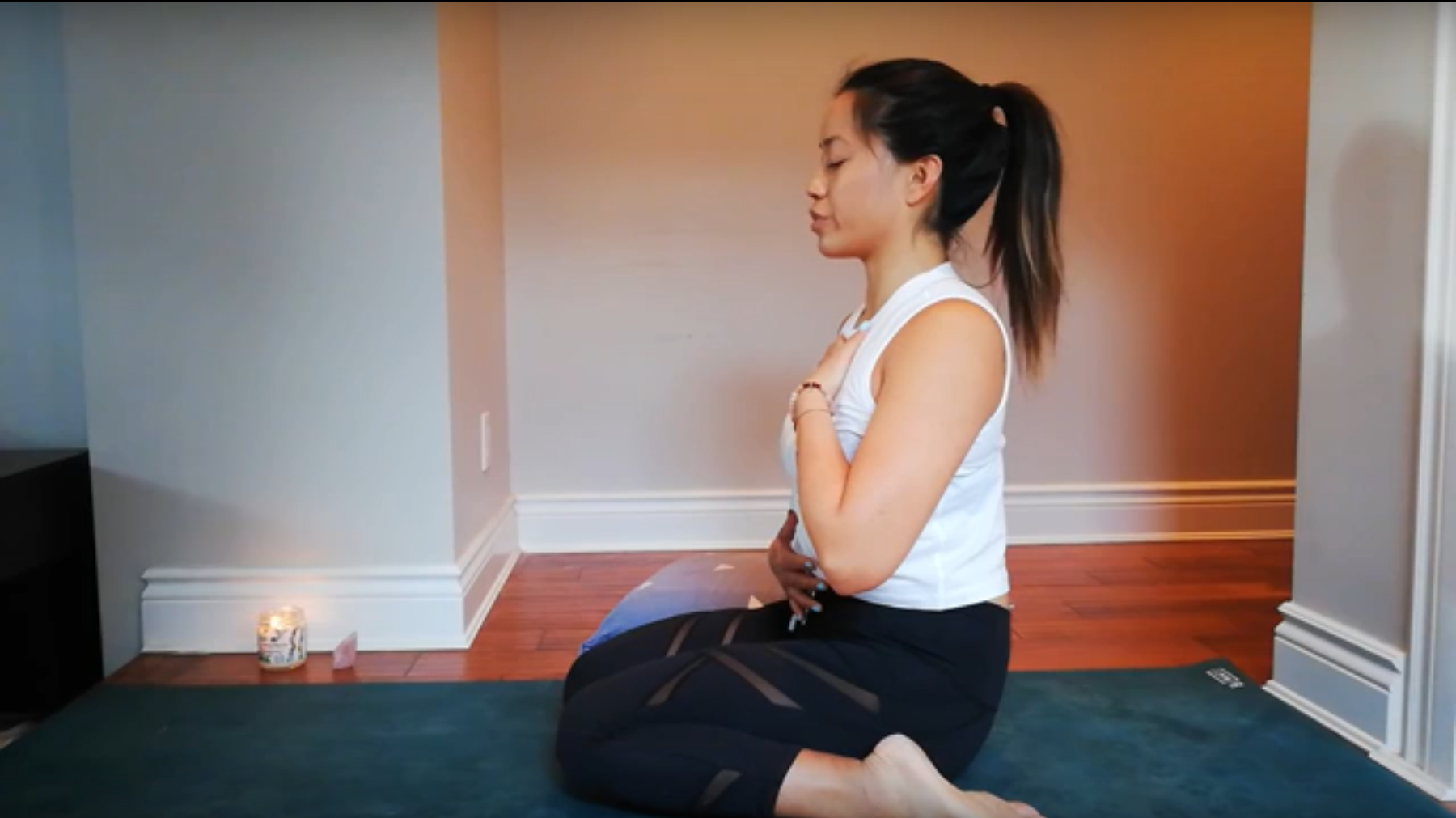
I feel safe in my body.
All of your emotions are valid.
Some days you will be feeling absolutely refreshed, high-energy, productive and focused.
Other days: exhausted, foggy, drained, confused, in dismay.
Woven in between: deeply hurt, strained reaching out for connection, lonely.
Accept that all of your emotions have a place in your mind and take grave consideration how they are affecting your daily functioning. Are they temporary feelings? Do they linger and provoke other triggers?
Keeping connected virtually and physically may be more difficult than speculated.
I really recommend assessing if investing in psychotherapy or a psychiatrist via virtual Zoom sessions is something beneficial for you. Mental health is just as much a priority as physical health.

Movement as stress relief.
2. Get fresh air, get moving, incorporate exercise into your routine.
Whether that’s a daily walk around the block, jumping jacks at home, or tuning into your favourite livestream yoga class, make a designated space and timeslot for it during the day.
it’s easy to fall into two streams:
no movement and a reluctance to move at all
working out to the point of burnout and creating inflammation in the body
You want to find a happy medium between not moving at all, and moving too much that it hurts for your physically sit up for regular tasks.

Disconnect from your screens.
Connect back to Nature as therapy.
3. Limit your daily intake of news and social media.
Although we have been glued to our devices as of late, considering our physical limitations from the outside world, we are spending alot more time in the mornings and before bed staring at screens to help us ‘stay up-to-date’ or ‘fall asleep.’
Blue screens don’t necessarily do that - if anything, longer exposure time to blue screens cause us to get anxious, alert, and unsettled. Consider that your cortisol levels (that trigger your fight or flight response) are also at their highest when you first wake up. Do you really want to spend the first few moments before getting out of bed reading up on how many new deaths there are in the world?
Consider using an activity tracker to measure how much time you spend passively looking at apps such as Instagram and Facebook. Is this time well used or well wasted while absorbing useful and also useless information? Check out these activity tracking apps:
Also, get out into Nature! With the reduced usage of car travel and pollution, the grass has been glowing this season, seasonal flowers in full bloom, and many fauna out to explore out of their natural habitats. Being outside in nature for ~20 minutes has significant benefits on decreasing anxiety, depression, anger, and relieves grief, temporary joint pain, and reduces blood pressure.

Set up emotional boundaries.
4. Set healthy boundaries when to chat with friends and family.
This is a BIG ONE! And by that, I know it is especially hard when we miss the presence of having our loved ones and friends physically around. Especially with the current social distancing rules lifting (more people from different households are permitted to hang out together), there may seem to be a larger implication to see friends and family members that we have not heard from or seen since before the lockdown began. Zoom, Skype, FaceTime, and even the regular voice-calls can run longer than expected, due to an overgiving or overcompensation effect of being able to share more than usual with loved ones. Be mindful if you feel like you are giving too much of your own energy away and/or taking on the energy of others in order to feel ‘connected.’
With more time spent at home and less noise and distractions from the busy, working lifestyle, people are using their modes of communication as coping mechaniisms to feel supported during this time. However, learn when to turn off, ignore the notifications, set aside a fraction of your day only for leisurely calls, as updating people through communication nowadays can be very energy consuming and filled with a lot of dread!

Status: “Out of Office”
5. Put an out-of-office reply in your email inbox.
Yes, we would all like to think we are “busy” and “productive” at the moment as we sit glued to our screens at home. Setting firm boundaries for yourself when you will give yalour clients and recipients your undivided attention (think during the day and not at 11PM at night). Turn off push notifications to your phone unless you are expecting something urgent and time-sensitive like a parcel delivery to your door. I like to think segmenting 3-4 weekdays of the week and spending 1-2 hours answering emails on those days (i.e. Monday, Tuesday, Wednesday, Thursday) allows me to give my full, undivided attention without feeling like I am constantly “on” and draining my down time, waiting for another person’s response.

Nutrition is medicine.
6. Consider your nutrition.
Food is medicinal. Eating regularly and maintaining a balanced diet of whole, unprocessed foods as recommended by Canada’s Daily Food Guide will keep you in optimal energy, maintain mood regulation, and fight off environmental stressors caused by the current pandemic.
Did you know that your gut health contributes to a large percentage of your immunity and your overall sense of well-being? Consider pro-biotics or consuming more fermented foods such as kim chi, yogurt, or sauerkraut to get the gut flora active!

Stay Hydrated.
7. Stay Hydrated.
As human beings we are comprised mainly (80%) of water so starting and ending your day with the recommended daily intake of water (~8 cups of water) will help bring your body to equilibrium, flush toxins out, and be able to absorb water-soluble and nutrients to excrete the proper hormones and keep your body in a steady state. role in conducting nervous impulses, contracting muscles, keeping you hydrated and regulating your body’s pH level
Consider consuming electrolytes daily, which help in muscle contraction and hydration, metabolism of minerals, and regulating your body’s pH level to avoid inflammation. You can consume electrolytes following a moderate to high-intensity work-out, a long distance run, or after a strenuous activity outdoors (i.e gardening or yard work). You can find electrolytes in coconut water, fortified nut milks (almond, oat, cashew), fruit and vegetables (banana, avocado, and sweet potato) or through taking supplements like Calcium and Sodium.

Be Mindful of How You Share Your Energy.
8. Consider what is an energetic exchange, investment, or donation.
It is normal around this time to feel that charitable requests are common as many people come up with loss of job wages, job positions, raises, and even the capacity to maintain their jobs while taking care of family dependents and sick members. In a time where many of us are feeling giving, compassionate, and generous, take in mind what you are willingly wanting to give away of your time, value, and energy, and what can be overlooked as a misjudgment or presumption from others that may be gluttonous or from a place of greed. Create safe boundaries of what you can give away while still feeling like your cup is full and not fully depleted. (You don’t have to give away anything at all for free if you don’t feel like you can afford to or don’t want to sacrifice this energy at this time. All positions are valid.)

Explore Your Inner Child
(Image from Our Food Stories.)
9. Try out new hobbies, skills, languages, recipes, and cleaning techniques.
Now is the time to explore your Inner Child! Get a little creative! A litle crazy even! Have you walked in your neighbourhood and noticed children’s drawings of their depictions of ‘Community’ posted on their windows?
What are you curious to try and get better at?
Or have simply been putting off and neglecting?
Perhaps you want to try your hand at baking?
Or learning a new language?

Consider Meditation & Journaling as Coping Tools
10. Consider a Meditation and/or Journaling Practice.
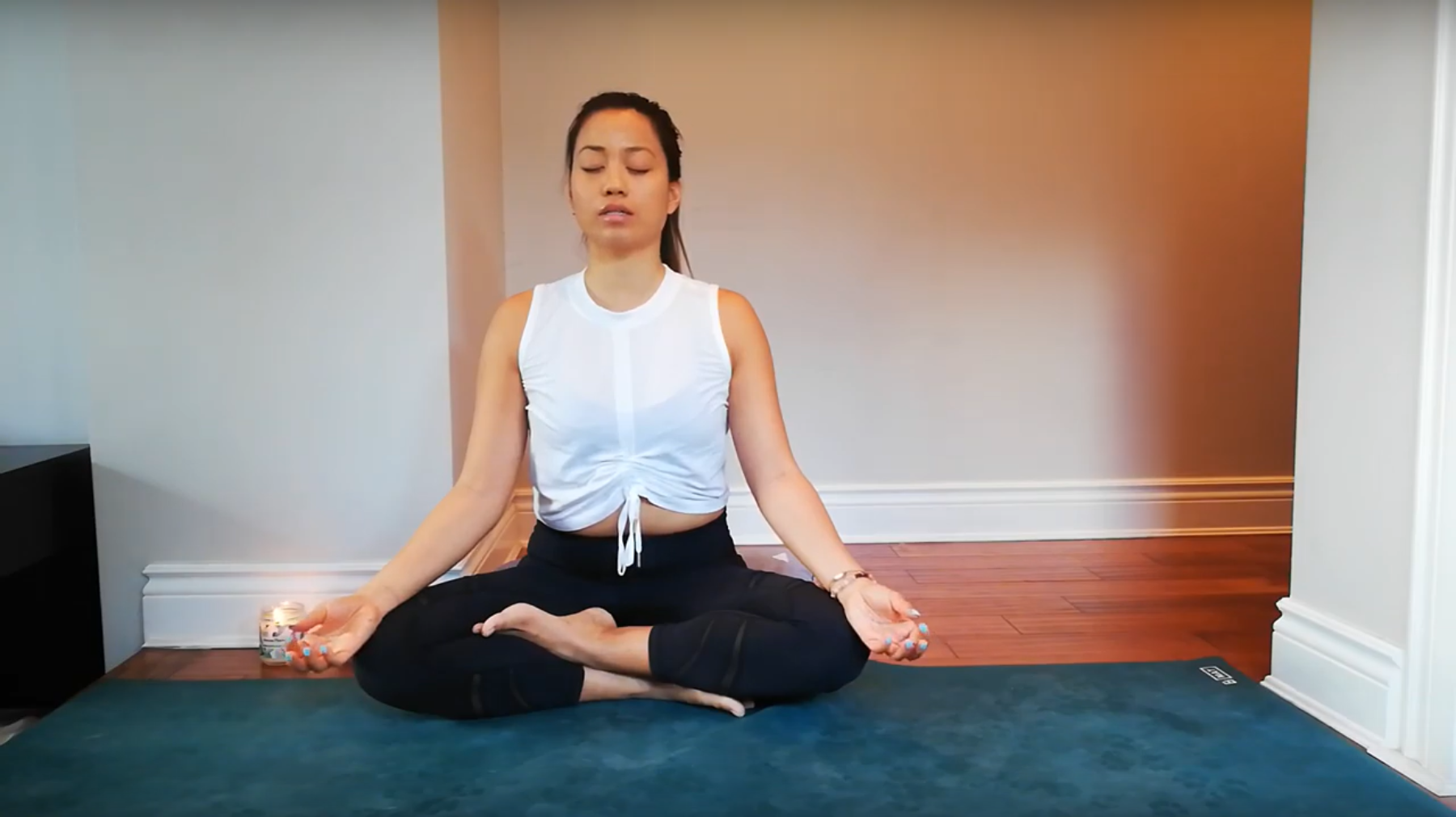
I highly recommend taking at least 10-20 minutes a day (even more, if you have the time) to meditate, without a phone, technology, or other distractions that will inhibit you from maintaining this regular practice.
You can do this from bed, in the living room, in the garage, even out in a local park!
Start with 5 minute sessions of sitting daily and gradually begin to increase the duration to 10 minutes then 15 minutes a day. The goal isn’t to see ‘how long’ you can stay in meditation or ‘stoic’ for. The goal is to keep up with regularly showing up for yourself to observe the mind. Some days the inner chatter will be VERY LOUD and ongoing. Other days, you will feel like you are bathing in a grass of serenity. Meet yourself daily in your meditation spot, whatever it looks like.
Bring a journal with you to record down any visions, colours, qualities of physical surroundings of you following your meditation. I often see colours unearthed from nature when I meditate outdoors in nature.Because I meditate in the morning, I also like to write down the quality of my breath, any lingering worries or dreams that may have drifted into my mind since waking up. You can meditate any time during the day: morning, midday, afternoon, evening, before bed - whenever you can find the time and set up the sacred space to do it, just START!
Please read my blog post on Meditation & Mindfulness if you are interested in getting started. Also, read The Art of Journaling on tips to keep yourself accountable following a meditation practice.
What tools have you been using while coping with the current pandemic?
What techniques have worked successfully and what no longer works for you?
Read other TOP 10 Lists below:
-
Growth
- Jan 9, 2022 Rehab & Reintegration PT. II (Travel & Celebration)
- Dec 27, 2021 Rehab & Reintegration PT. I
-
Journaling
- Nov 16, 2019 Finding Love, Seeking Humility
- Sep 4, 2019 Projects, Stakeholders, & Partnerships!
-
Mindfulness
- Jan 9, 2022 Rehab & Reintegration PT. II (Travel & Celebration)
- Dec 27, 2021 Rehab & Reintegration PT. I
- Mar 18, 2021 Top 10 Tips to Prepare for Spring
- Feb 23, 2021 How Can Art and Creativity Enhance Wellbeing and Performance during a Pandemic?
- Sep 1, 2020 What is your Emotional Propensity for Change?
- Jul 20, 2020 Consider a Mindfulness Practice on the Water
- Jul 10, 2020 Recovering from a Sprained Ankle Injury and its Impact on Mental Health
- Jun 20, 2020 How to Journal: On Reflection and Change
- Jun 15, 2020 10 Reasons Why You Should Exercise and Practise Yoga Outdoors
- Nov 16, 2019 Finding Love, Seeking Humility
- Jan 5, 2019 Keep Yourself Accountable! The Art of Journaling
- Aug 24, 2018 How to Say Yes and Stop the 'Cold-Calling' Process
- Jun 5, 2018 Wholesome Eating (#Whole30 May 1-30)
- Apr 23, 2018 Love Abundantly, Live Lightly
- Apr 12, 2018 Authentic Happiness: the Road Less Travelled
- Mar 15, 2018 Yoga at Work (Workplace Wellness)
- Feb 10, 2018 The art of slowing the f*ck down and doing less (The Guide to a Happy Heart)
-
Top 10 List
- Mar 18, 2021 Top 10 Tips to Prepare for Spring
- Jun 15, 2020 10 Reasons Why You Should Exercise and Practise Yoga Outdoors
- Jun 5, 2020 A Gentle Reminder (We're all in this together!)
- May 10, 2019 Top 10 Tips to Prevent Natural Burnout
- May 1, 2018 Top 10 Tips to Ground and Plant Seeds
- Dec 21, 2017 Top 10 Tips for Self-Care (Pre and Post-Holidays)
-
Yoga
- May 10, 2019 Advice to My Younger Self
- Feb 10, 2018 The art of slowing the f*ck down and doing less (The Guide to a Happy Heart)