
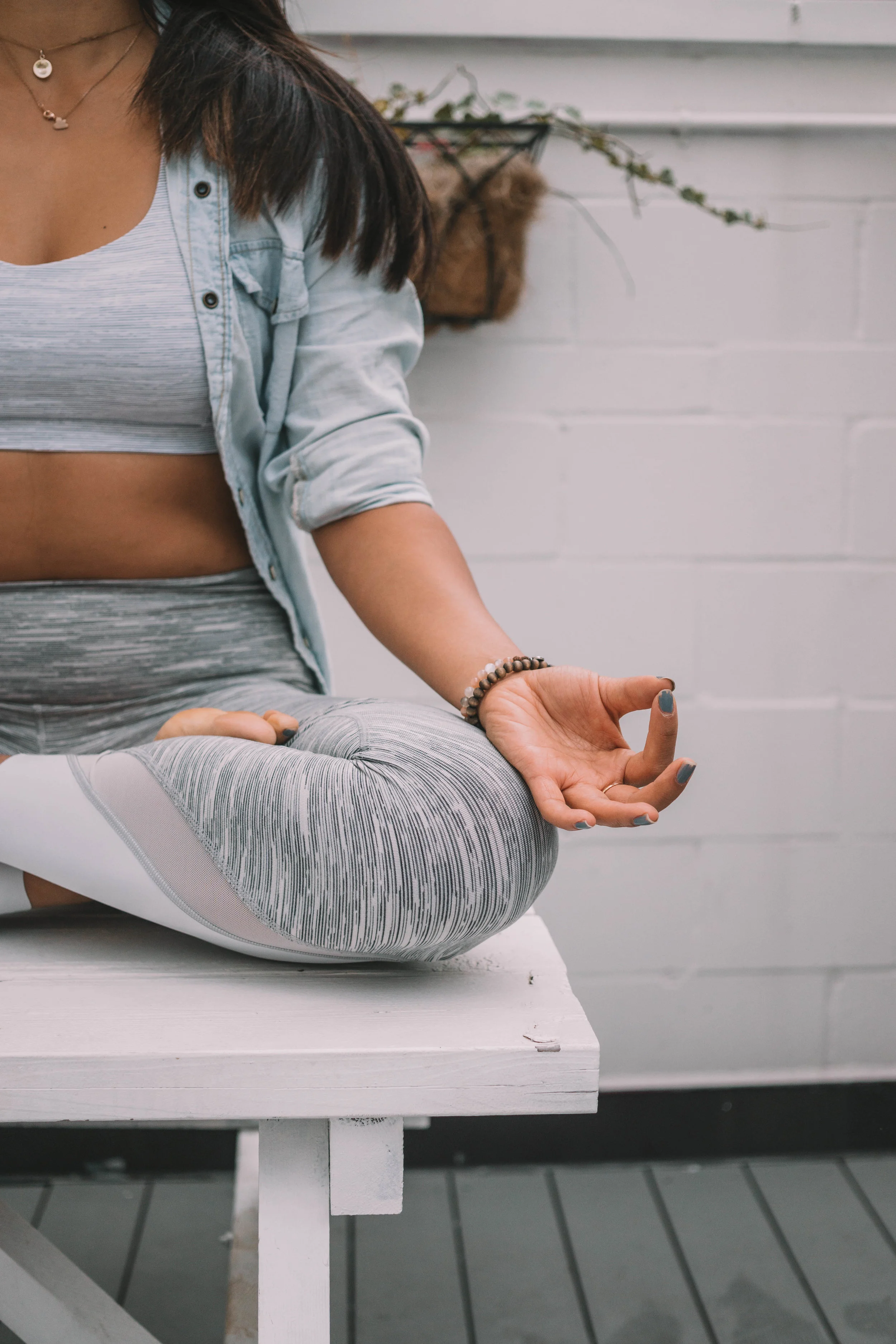
Meditation & Mindfulness: debunking the ancient practice
Debunking the ancient practice in the Buddhist tradition, as it has been widely incorporated in the busy North American lifestyle through workshops, pop-up classes, apps, etc. Arriving at the idea of why meditation is important, and how walking mindfulness can be incorporated in your daily life. LISTEN IN on the podcast.
#Trending: Meditation Pop-ups and meditation apps that help clear your mind, disconnect, unwind and "sleep better."
Where does meditation come into play and why do we see it so commonly appear in our wellness centres and fitness facilities in the urban core?
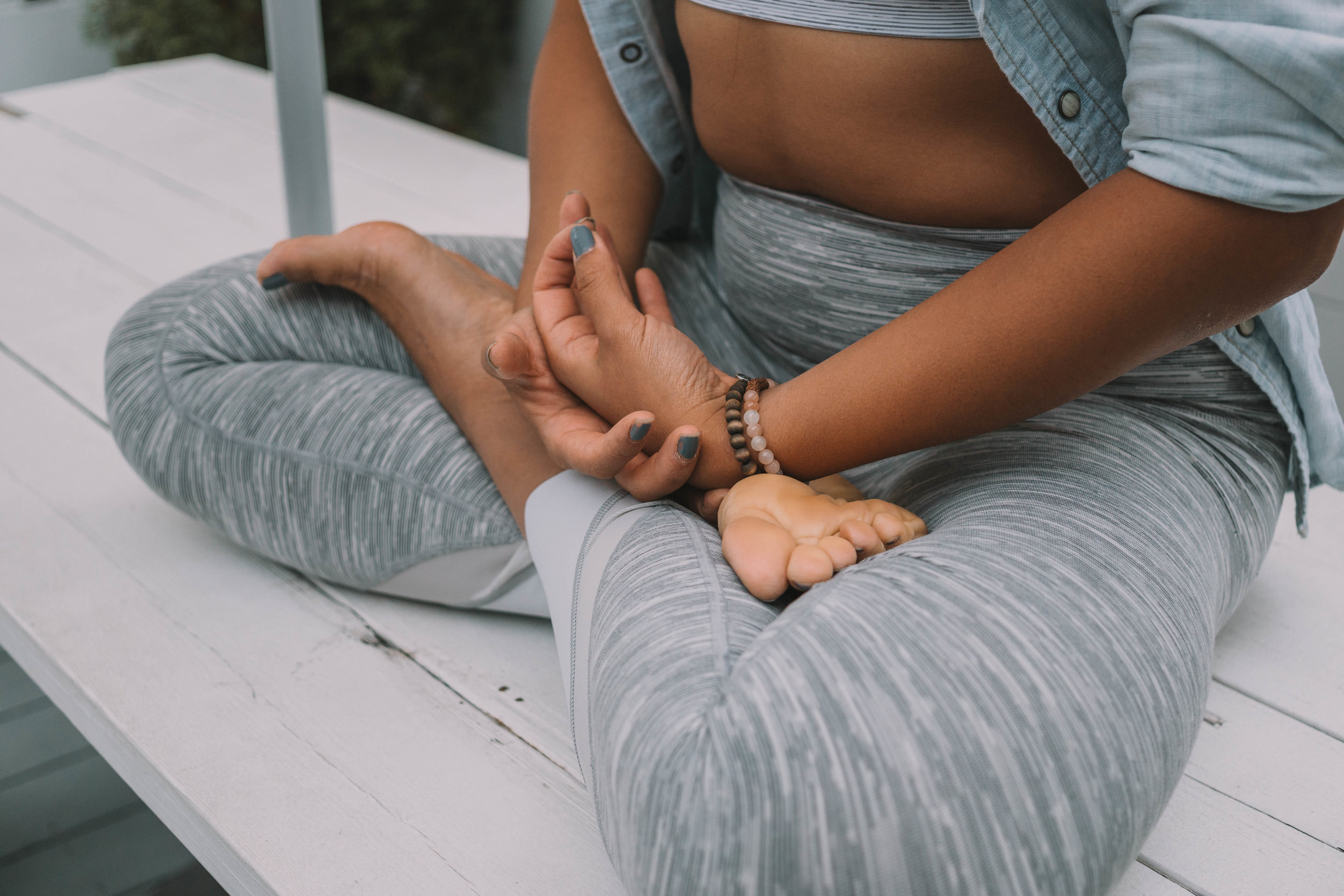
As something that has been previously widely overlooked, disregarded, or simply put on the backburner; the excuse: "I don't have the time - my mind can't focus..." widely exists. We live in a saturated, over-stimulated environment of gadgets, alarms, ramshackles of human traffic where we constantly want to consume and have more, more, more. We grieve when the expectation of providing instant and immediate gratification isn't fulfilled on our mobile devices, in our inboxes, by the sound of our notifications.
Total Myth: The Buddhist tradition of meditation requires one to find a sanctuary or a sacred temple to sit still while being completely renunciated from the world.
While there are 10-day retreats such as Vipassana located outside of the city, and one could turn a revered eye towards becoming a monk and making meditation a studied, life-long practice, there are simple methods in incorporating meditation to every day tasks and finding ways to quiet the mind before or after a long-winded day.
Working with a guided practitioner, meditation practices can be led from 30-60 minutes a session, often citing that students should maintain their own practice for at least 10 minutes a day.
There are many techniques, moving from the realm of the self and the physical body to perhaps reaching higher realms of expanding the psychological self much further into feeling unified with the universe. Counting your breaths, envisioning visual and sensory characteristics of your breath, these are all accesible ways mentioned in this short podcast:
BENEFITS OF MAINTAINING A REGULAR MEDITATION PRACTICE:
- Better focus and concentration
- Ease of anxiety and depression
- Monitoring of fight or flight emotions as they arise - anger/aggression, fear
- Dissolution of egoism, pride
- Better grasp at patience and compassion towards self and others
This in turn allows for better workflow productivity and relaxation/calmness of the mind when the physical body allows the mind's thoughts to slow down.
Have you heard of Headspace and other meditation apps? It's funny how we even have to schedule in and "make time" for the act of meditation when we are constantly plugged in. Perhaps, you can "make time" to also put away your digital devices, blue screens, and learn not to rely for a full hour of being "connected." In today's society, we build up so many expectations of how we should look, or what it is that we are always missing out on - FOMO navigates its way all around us through social media and constantly clutter of updates in our email inboxes. The reality is, meditation is a simple practice - done daily and recognized habitually, like eating, grooming, cleaning up, journalling, etc.
There is a wide misconception that while witnessing others meditate, you must also be able to
attain this peaceful state, an exit from the mind's frivolities and extremities into this more
blissful realm that is often quite difficult to attain. The reality is you are creating your own distraction from really entering that state based on your own positioning. Meditation as a group activity is often overlooked as an event to rehearse expected outcomes with your fellow participants - this is not the case. A few things to consider here:
- How willing are you able to open?
- How susceptible are you in tuning out the other sensory stimulations around you?
- How connected do you feel to a higher source of energy, inspiration, Spirit, divine Creator?
“Different things appear to each person according to his disposition. People have different dispositions, different talents, different potentials, so to everybody they are going to happen in a different way. They are just to indicate that things like this happen - It is an experience. When you drink water, only you know whether it is cold or warm.
And if you are thirsty, only you know whether it is quenching your thirst or creating more. Nobody else sitting outside watching you can know what is happening inside - if the thirst is quenched or made more, if the water is cool or warm - nobody can see from the outside. Even if they can see you meditating, they cannot see what is happening inside.”
Still Interested?
Read more from the following texts:
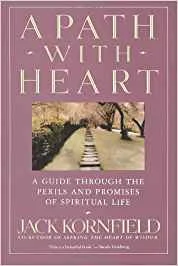
A Path With Heart
by Jack Kornfield
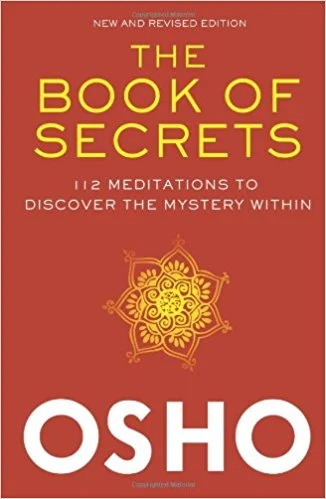
The Book of Secrets
by OSHO
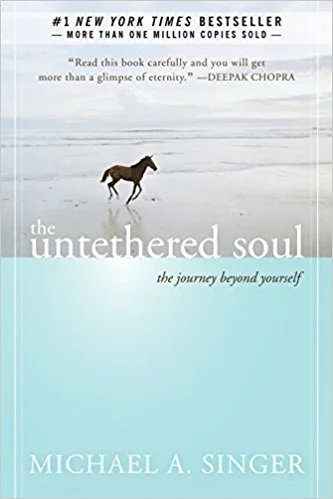
The Untethered Soul
by Michael A. Singer
Attend a meditation workshop or pop-up class at a local yoga studio or through The Quiet Co. and The Meditation Club, that host $5-15 drop-in classes across the downtown core.
“Learn to be patient. If you can wait infinitely, it may even happen instantly. But you should not ask that it should happen instantly: if you ask, it may never happen. Your very asking will become a hindrance, Your very desire will create a distance between you and nature. Remain in tune with nature, let nature take its own course. And whenever it comes it is god, and whenever it comes it is fast, WHENEVER it comes...
Your worthiness, your emptiness, your receptivity, your passivity makes it possible; not your hurry, not your haste, not your aggressive attitude. Remember, truth cannot be conquered. One has to surrender to truth, one has to be conquered by truth.”
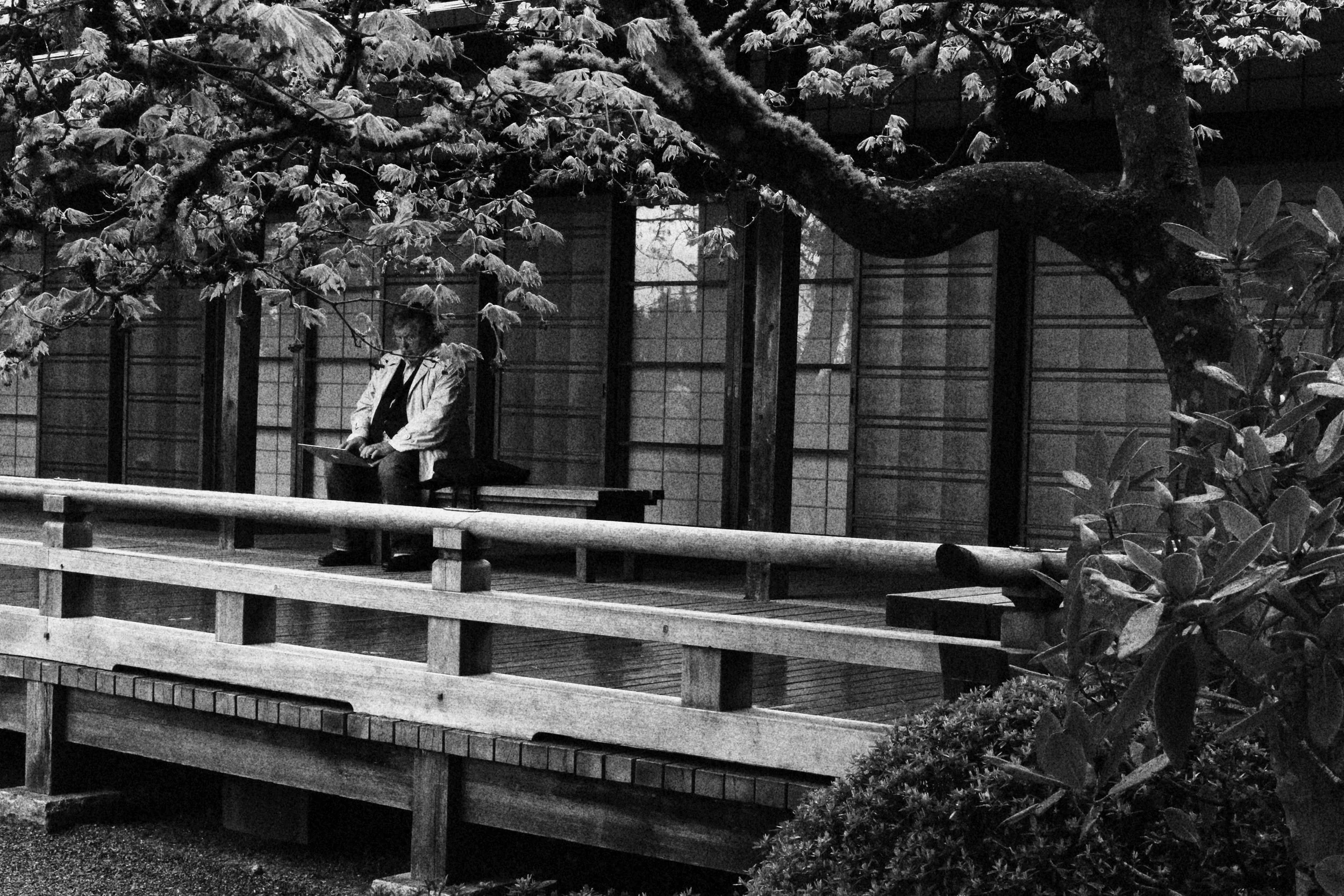
The process of Grieving
What are methods for you to communicate and express your inner demons so they don't manifest into physiological stressors?
Talking about my grandfather's death and how the steps to overcome all the different symptoms that arise over the process of healing.
How do you get over grief?
Listen here or on Anchor
What are methods for you to communicate and express your inner demons so they don't manifest into physiological stressors?
It's funny: I was chatting with a new student in my yoga class last week about holding onto grief and releasing the areas that are so hard to stretch out - such as the back of the rotator cuff, wedged right beneath the scapula and how much tension we allow ourselves to grip onto in our daily lives. Fast forward a week later, and I am definitely feeling those same areas become sticky - every time I wake up I feel a huge lump in the back of thoracic spine on the right side. Indicative of shortage of breath maybe?
When my grandfather passed away last week, there were mixed emotions and symptoms of nausea, despair, guilt, ignorance, and utmost disgust projected towards myself and my family members. Understanding that the process of grieving is not a short one and affects each family member requires lots of patience and space to allow it to emerge.
The weeks leading up to him being hospitalized, however, I could see the onset of his death - it did not come of a surprise, and this is perhaps what most inspired me to create Samsara, the rebirth, the simple letting go process of a physical being or idea, and transforming it into a more beautiful and attainable quality in the world.

To watch someone suffer for over three years is an inescapable feeling, to watch someone die day by day is also a path to unveiling the most vulnerable of thoughts and feelings. To teeter totter on the steps of life and death is definitely not something someone should ever have to encounter on a daily basis - as much as we may glorify and talk about someone's afterlife in the spiritual or religious sense and send them to a higher kingdom - realistically, all that we witness on the human Earth, is decay, decline, and literally, blood, sweat, and tears.
So again, I ask you, how do you get over grief?
“Samsara: the rebirth, the simple letting go process of a physical being or idea, and transforming it into a more beautiful and attainable quality in the world. ”
-
Growth
- Jan 9, 2022 Rehab & Reintegration PT. II (Travel & Celebration)
- Dec 27, 2021 Rehab & Reintegration PT. I
-
Journaling
- Nov 16, 2019 Finding Love, Seeking Humility
- Sep 4, 2019 Projects, Stakeholders, & Partnerships!
-
Mindfulness
- Jan 9, 2022 Rehab & Reintegration PT. II (Travel & Celebration)
- Dec 27, 2021 Rehab & Reintegration PT. I
- Mar 18, 2021 Top 10 Tips to Prepare for Spring
- Feb 23, 2021 How Can Art and Creativity Enhance Wellbeing and Performance during a Pandemic?
- Sep 1, 2020 What is your Emotional Propensity for Change?
- Jul 20, 2020 Consider a Mindfulness Practice on the Water
- Jul 10, 2020 Recovering from a Sprained Ankle Injury and its Impact on Mental Health
- Jun 20, 2020 How to Journal: On Reflection and Change
- Jun 15, 2020 10 Reasons Why You Should Exercise and Practise Yoga Outdoors
- Nov 16, 2019 Finding Love, Seeking Humility
- Jan 5, 2019 Keep Yourself Accountable! The Art of Journaling
- Aug 24, 2018 How to Say Yes and Stop the 'Cold-Calling' Process
- Jun 5, 2018 Wholesome Eating (#Whole30 May 1-30)
- Apr 23, 2018 Love Abundantly, Live Lightly
- Apr 12, 2018 Authentic Happiness: the Road Less Travelled
- Mar 15, 2018 Yoga at Work (Workplace Wellness)
- Feb 10, 2018 The art of slowing the f*ck down and doing less (The Guide to a Happy Heart)
-
Top 10 List
- Mar 18, 2021 Top 10 Tips to Prepare for Spring
- Jun 15, 2020 10 Reasons Why You Should Exercise and Practise Yoga Outdoors
- Jun 5, 2020 A Gentle Reminder (We're all in this together!)
- May 10, 2019 Top 10 Tips to Prevent Natural Burnout
- May 1, 2018 Top 10 Tips to Ground and Plant Seeds
- Dec 21, 2017 Top 10 Tips for Self-Care (Pre and Post-Holidays)
-
Yoga
- May 10, 2019 Advice to My Younger Self
- Feb 10, 2018 The art of slowing the f*ck down and doing less (The Guide to a Happy Heart)